Most companies don’t rebuild their website because they wanted to. They rebuild because the site they launched three years ago can’t support what the business has become. That’s the real cost of skipping scalable web development at the outset — not a failure of design, but a failure of foresight. A website built to handle only today’s traffic, today’s team, and today’s tech stack is, by definition, a website with an expiration date.
Future-proofing isn’t about predicting the future perfectly. It’s about building in a way that makes change cheap instead of catastrophic.
What “Future-Proofing” Actually Means in Web Development
Future-proofing gets thrown around as a buzzword, so it’s worth being precise. A future-proof website isn’t one that never changes — it’s one where change doesn’t require starting over. New product lines, new markets, new integrations, new content formats, a sudden spike in traffic from a successful campaign — a well-built site absorbs these without a full rebuild. A fragile one breaks, slows down, or requires a developer to touch code every time marketing wants to launch a new landing page.
This is the practical meaning of website scalability: the site’s architecture, infrastructure, and content systems can expand in scope and volume without a proportional increase in cost, risk, or engineering time.
The Hidden Cost of Building for Today Only
Here’s what typically happens. A company needs a website fast, so a developer or agency builds exactly what’s been asked for — no more, no less. It looks great at launch. Eighteen months later, the business has added a product line, hired a sales team that needs lead routing, and started running paid campaigns that demand dozens of landing page variants. The original site wasn’t built to do any of that, so every new requirement becomes a custom patch, bolted onto a foundation that was never designed to hold it.
The result is a site that gets slower, harder to maintain, and more expensive to change with every passing quarter — the opposite of what a growing business needs from its digital infrastructure. This is precisely the trap that a proper web development partner should help you avoid from day one, by building for the trajectory of the business, not just its current snapshot.
The Four Pillars of Scalable Web Development
Architecture That Grows With You
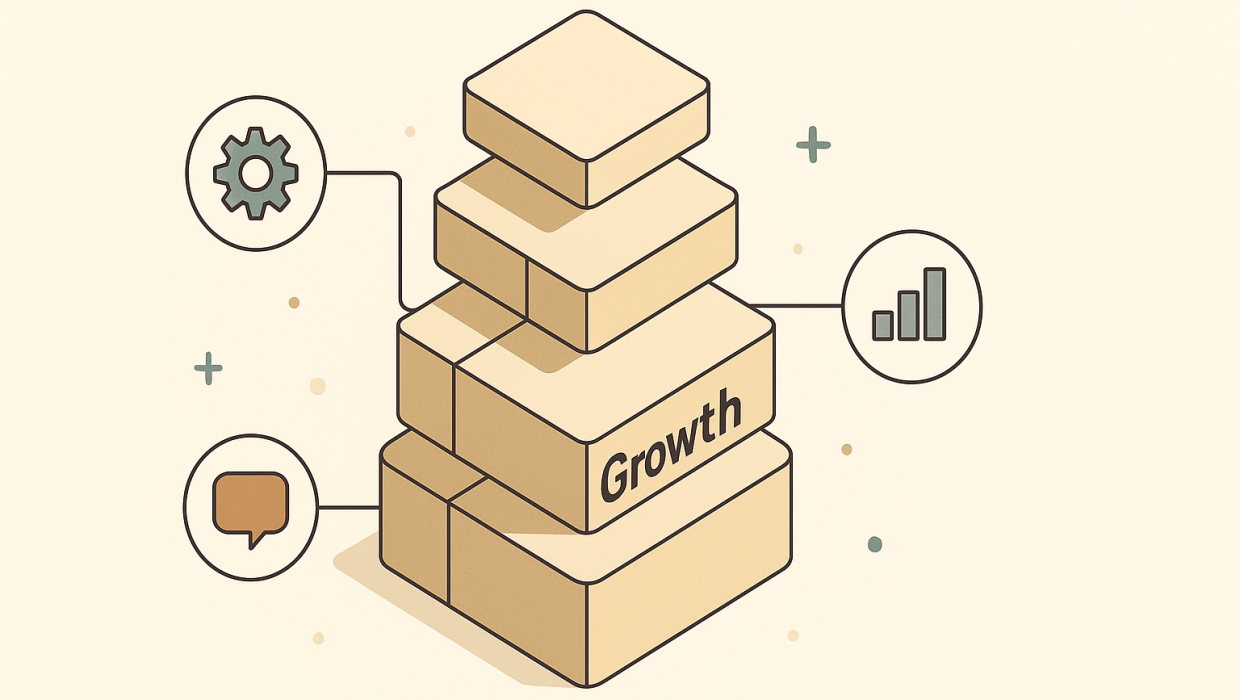
Scalability starts below the surface, in how the site is structured. A modular architecture — where pages, components, and templates are built as reusable pieces rather than one-off code — means new pages and features can be assembled quickly instead of built from scratch. Headless or decoupled setups, where the content layer is separated from the presentation layer, give teams the flexibility to redesign the front end or launch new digital touchpoints without rebuilding the entire backend.
Performance as a Design Constraint, Not an Afterthought
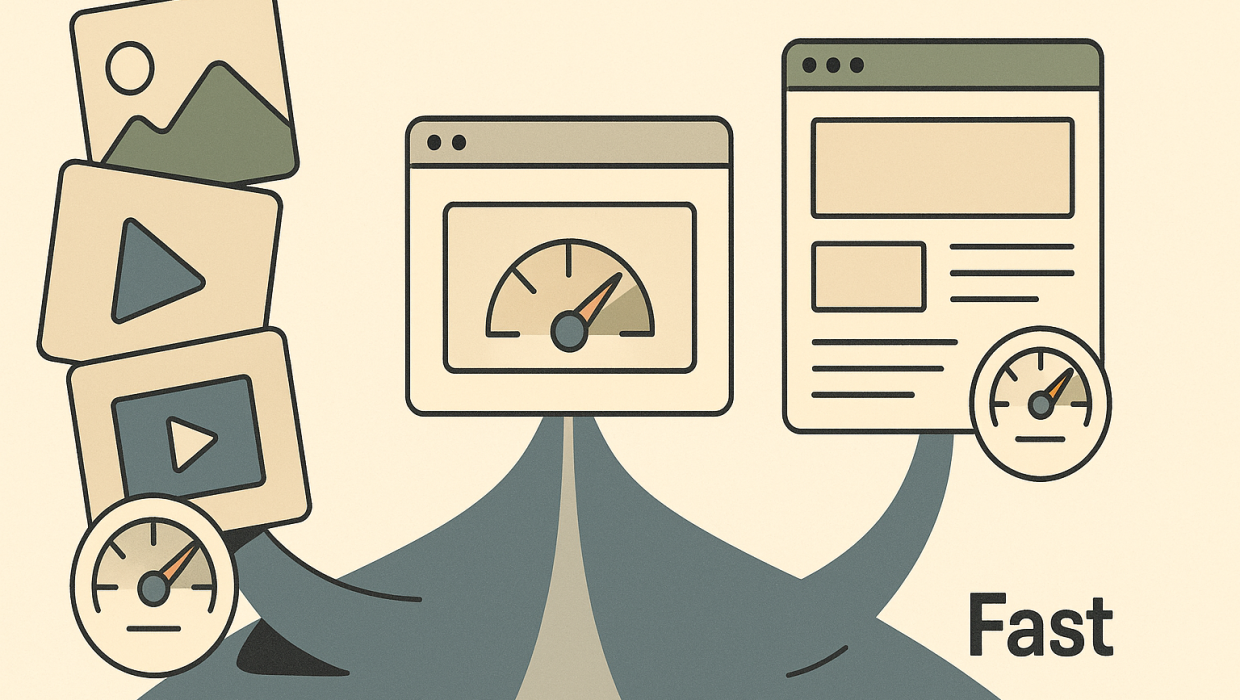
Speed and stability under load aren’t things you retrofit easily. A site engineered for scalability accounts for traffic spikes, image-heavy content, and third-party scripts from the start, using proper caching, content delivery networks, and lean code. This matters commercially, not just technically: a slow site erodes conversion rates and search rankings simultaneously, which means performance decisions made during the build directly affect revenue months and years later.
Integration-Ready Infrastructure
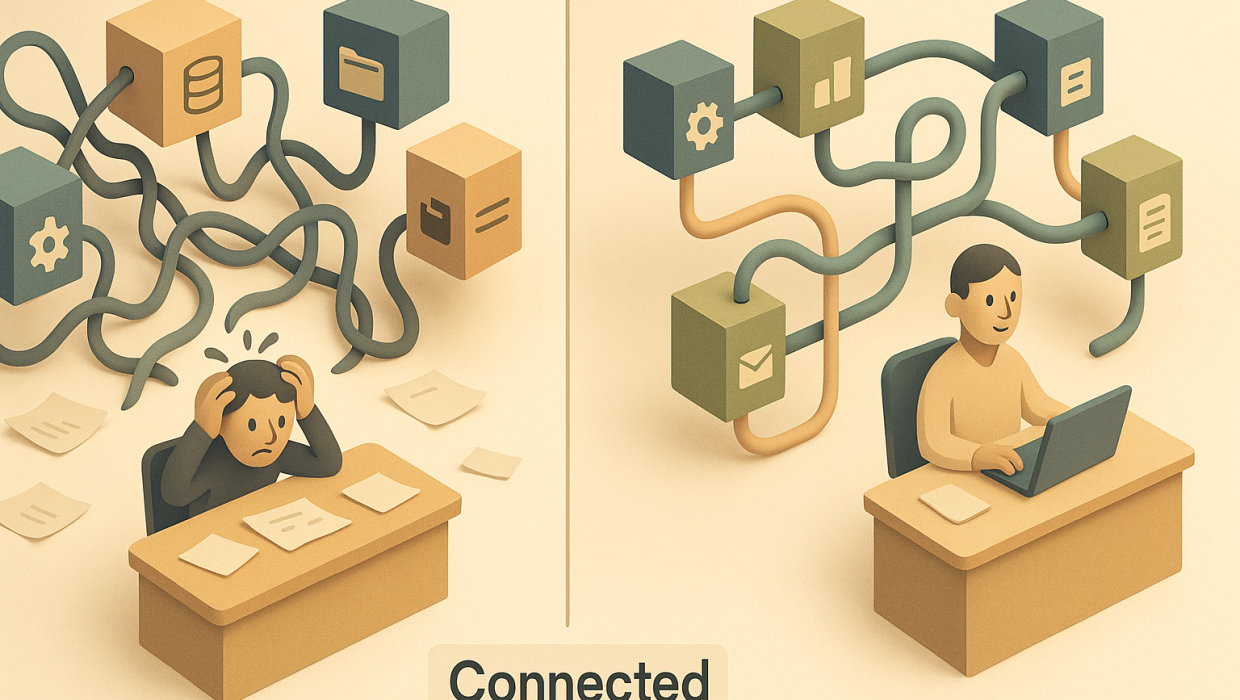
Modern B2B websites rarely stand alone. They connect to CRMs, marketing automation platforms, analytics tools, and increasingly, AI-driven systems that personalize content or qualify leads in real time. A scalable site is built with clean APIs and well-documented data structures so these integrations are additive, not disruptive. Businesses layering in automation for lead scoring or workflow triggers benefit enormously from a site that was built with this kind of connectivity in mind — something worth discussing early with a partner who also handles AI and automation work, since website and automation strategy increasingly need to be designed together rather than sequentially.
Content and SEO Structures Built for Expansion
A future-proof site is also built to grow its content without collapsing under its own weight. That means clean URL structures, logical taxonomies, and schema markup that scales as new pages, categories, and content types get added. This is where website scalability and search visibility intersect directly — a site with a disorganized structure will fight its own SEO performance as it grows, no matter how good the content is. Getting this foundation right is a core part of any serious SEO, AEO, and GEO strategy, because search engines and AI answer engines both reward structural clarity.
Diagnosis Before Build: Why Strategy Comes First
The single most common reason websites fail to scale isn’t bad code — it’s a missing diagnosis. Teams jump straight into design and development before anyone has mapped out where the business is actually headed: what markets it plans to enter, what systems it will need to integrate, how fast the sales pipeline is expected to grow, what content volume the marketing team intends to produce.
A website built without understanding where the business is going will always be a website that constrains where the business can go.
A website built without understanding where the business is going will always be a website that constrains where the business can go.
That’s why diagnosis has to come before build. It’s not a philosophical preference — it’s a practical necessity. Understanding the current tech stack, the growth roadmap, and the operational bottlenecks first means the resulting architecture is designed around real constraints and real ambitions, not guesses. This is the same reasoning that shapes how we think about custom platforms more broadly — a topic covered in more depth on our software solutions page, since websites and internal systems both suffer from the same premature-build problem.
What Website Scalability Looks Like in Practice
Scalability isn’t abstract — it shows up in concrete decisions. A scalable e-commerce site can add thousands of new SKUs without a developer manually building new templates. A scalable B2B site can spin up campaign-specific landing pages in hours, not weeks, because the component library already supports it. A scalable multi-location business can add a new city page without duplicating work across the entire site’s navigation and metadata.
We’ve seen this play out directly in client work — situations where a site’s original build actively blocked expansion until the underlying architecture was rethought. Some of these situations, and how they were resolved, are documented in our case studies, which are worth a look if you want to see what this looks like outside of theory.
Common Mistakes That Undermine Future-Proofing
A few patterns show up again and again in sites that age poorly:
Over-customizing the initial build for a narrow, short-term campaign goal, which locks the architecture into assumptions that don’t hold six months later. Choosing a content management system based on ease of initial setup rather than long-term flexibility, which creates painful migrations down the line. Treating the website as a static brochure rather than living infrastructure that connects to sales, marketing, and operations. And perhaps most common: separating web design strategy from business strategy entirely, so the site reflects what the brand looked like at launch rather than where the company is actually going.
Each of these mistakes is fixable, but they’re far cheaper to avoid at the outset than to correct later. A thorough web development engagement should surface these risks during planning, before a single line of code gets written, not after the site is live and traffic depends on it.
Building a Web Design Strategy That Lasts
A durable web design strategy treats the website as a platform, not a project. That shift in framing changes almost every decision that follows — how much is invested in the underlying architecture versus surface design, how content is structured for reuse, how much flexibility is built into the component library, and how integrations are planned rather than improvised.
It also means treating scalability as a shared responsibility across design, engineering, and marketing, rather than a purely technical concern. The best outcomes happen when the people building the site understand the commercial pressures the business is under — growth targets, campaign velocity, market expansion — and design accordingly.
Where to Start
If your current site already feels like it’s fighting your growth — slow to update, resistant to integration, expensive to change — that’s a signal worth acting on rather than tolerating. The fix rarely starts with a redesign brief. It starts with an honest look at what the business actually needs the site to do over the next two to three years, and an architecture built to match that ambition rather than last quarter’s requirements.
That’s the conversation worth having before any design work begins, and it’s one we’re glad to have. You can start a conversation with us whenever you’re ready to look at what a scalable rebuild — or a smarter first build — would actually take.
RELATED QUESTIONS
What does scalable web development actually mean?
Scalable web development means building a website’s architecture, infrastructure, and content systems so they can expand in traffic, features, and complexity without requiring a full rebuild. It relies on modular design, performance planning, integration-ready systems, and clean content structures established from the very first build.
How do I know if my website needs to be future-proofed?
If updating your site requires a developer for routine changes, if adding new pages or integrations feels slow and expensive, or if performance degrades as content grows, these are signs your current site wasn’t built with scalability in mind. A site that resists growth rather than supporting it is usually a sign the underlying architecture needs to be reassessed.
What’s the difference between website scalability and website performance?
Performance refers to how fast and reliably a site runs under current conditions, while scalability refers to how well the site can handle growth in traffic, content, or features over time without breaking down. A site can perform well today and still lack scalability if it can’t accommodate future demands without major rework.
Why should diagnosis come before a website build?
Diagnosis before build means understanding a business’s growth plans, technical constraints, and operational needs before any design or development work begins. Skipping this step often results in a site optimized for launch-day requirements rather than where the business is actually headed, leading to costly rebuilds later.
How often should a business rebuild its website?
A well-built, scalable website shouldn’t need a full rebuild on a fixed schedule — it should evolve continuously through updates, new components, and integrations. Businesses that find themselves rebuilding every two to three years usually have an underlying architecture problem rather than a normal refresh cycle.
Ready to Build a Website That Scales With Your Business?
Start a conversation with Sapiens + Machines to discuss your goals, challenges, and next steps.