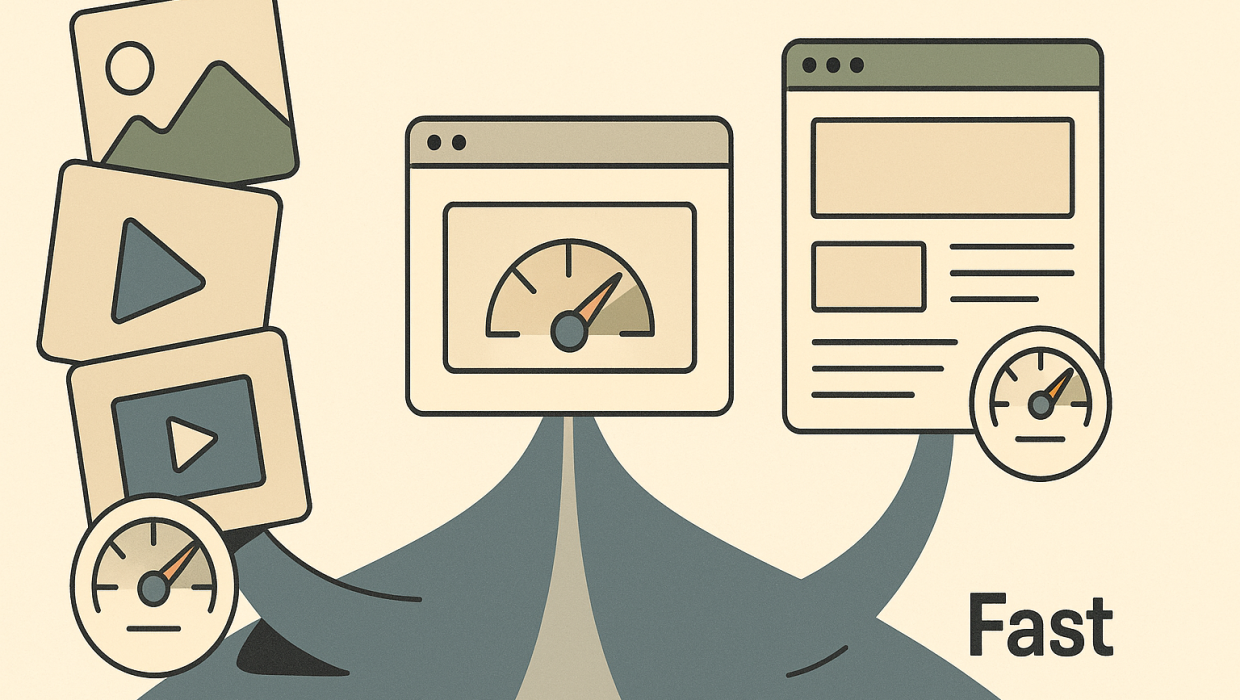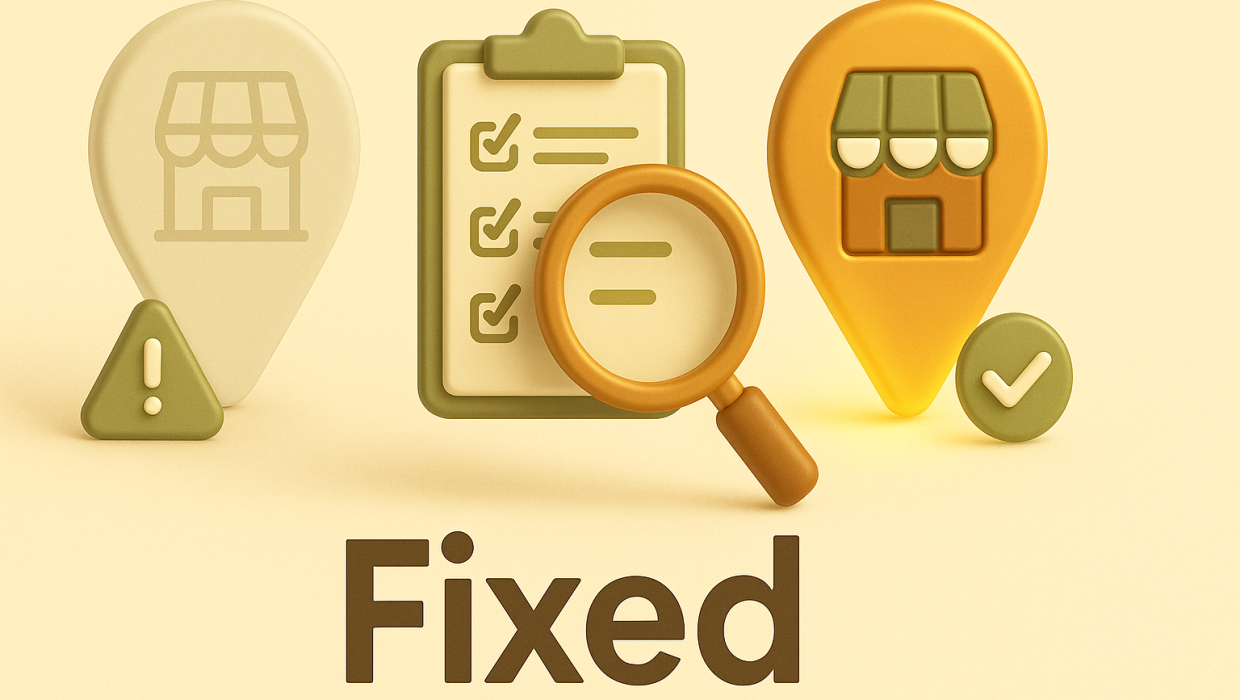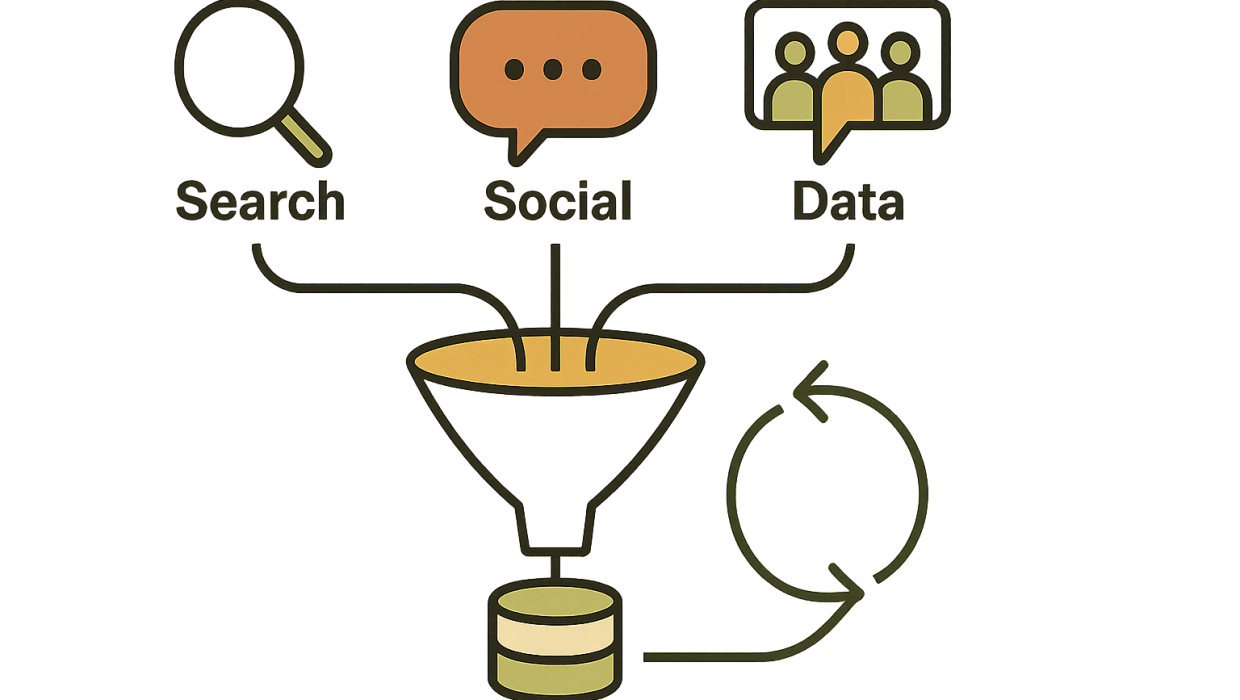
Most B2B teams aren’t bad at media buying. They’re incomplete at it. They launch campaigns on Google, Meta, and Reddit, watch the dashboards, adjust bids when something looks off, and call it optimization. But real media buying optimization isn’t a dashboard habit — it’s a discipline that spans audience architecture, creative lifecycle, attribution, and the feedback loop between your ad platforms and your CRM. Miss any one of those pieces, and you’re not optimizing. You’re guessing with better fonts.
This matters more in B2B than almost anywhere else. Consumer campaigns can lean on volume and quick conversion signals. B2B campaigns often have 60-to-180-day sales cycles, multiple stakeholders, and conversion events that happen off-platform entirely — in a sales call, a proposal, a procurement meeting. If your paid advertising strategies are built for e-commerce logic, they will systematically underperform in a B2B context, no matter how much budget you throw at them.
The Real Cost of “Set It and Forget It” Media Buying
Platform algorithms are genuinely good at what they’re built to optimize for: clicks, form fills, immediate engagement. They are not built to optimize for a $75,000 software contract that closes four months after the first ad impression. When teams hand campaigns to the algorithm and step back, they’re optimizing for the wrong outcome by default — and paying premium CPMs to do it.
The cost isn’t just wasted spend. It’s misattributed learning. If your Google Ads account thinks a lead is “good” because it converted on a landing page, but that lead never turned into pipeline, the algorithm keeps chasing more of the same low-quality signal. Left uncorrected, this compounds — campaigns get systematically worse at finding your actual buyers over time, not better. This is precisely the kind of structural issue our media buying engagements are built to catch early, before a flawed feedback loop calcifies into a flawed account structure.
Left uncorrected, this compounds — campaigns get systematically worse at finding your actual buyers over time, not better.
What Media Buying Optimization Actually Requires
Diagnosis Before Optimization
You cannot optimize what you haven’t diagnosed. Before touching a single bid or budget, the real question is: what is this campaign actually optimizing toward, and does that match what the business needs? A campaign can be “performing well” by platform metrics — strong CTR, low CPC, healthy conversion rate on a lead form — while delivering almost no qualified pipeline. We treat this diagnostic step as non-negotiable, because the fixes for a targeting problem, a creative problem, and a sales-alignment problem look completely different, and applying the wrong fix wastes both budget and time.
Cross-Platform Signal Integration
Google, Meta, and Reddit each have distinct strengths — intent capture, audience precision, and niche community targeting, respectively — but most teams run them as three unconnected experiments instead of one coordinated system. A prospect who saw your Reddit thread, later searched your category term on Google, and then converted after a retargeted Meta ad represents one buying journey, not three disconnected wins. Campaign management tactics that don’t account for this cross-platform reality will consistently misjudge which channel deserves credit — and budget.
Five Campaign Management Tactics Most B2B Teams Skip
1. Audience layering beyond platform defaults. Native lookalike and interest-based targeting is a starting point, not a strategy. Layering firmographic data, intent signals, and CRM-informed exclusion lists on top of platform defaults dramatically improves match quality — especially in Meta and Reddit, where B2B targeting precision is inherently weaker than Google’s search intent.
2. Creative fatigue monitoring with a replacement cadence. B2B creative fatigues faster than most teams expect, particularly on Meta and Reddit, where audiences are smaller and frequency climbs quickly. Waiting for CTR to visibly decline means you’ve already lost efficiency for days or weeks. A proactive rotation schedule, tied to frequency thresholds rather than gut feel, keeps performance stable.
3. Bid strategy alignment with actual sales cycles. Automated bidding strategies are trained on conversion windows you set — and most default windows are far too short for B2B. If your sales cycle is 90 days but your conversion window is set to 7, you’re training the algorithm on a fraction of your real buying signal. Extending and calibrating this window, often with help from automation built around your actual data pipeline, is one of the highest-leverage fixes available.
4. Unified cross-channel attribution. Platform-reported conversions almost always overlap and double-count. Without a unified attribution view — one that traces a lead from first touch through to closed revenue — you cannot honestly tell which channel deserves more budget. This is where many otherwise sophisticated teams still operate on faith rather than evidence.
5. CRM feedback loops back into the ad platforms. This is the tactic most frequently missing entirely. Ad platforms should know which leads actually became opportunities and which became customers — not just which leads filled out a form. Feeding closed-won and closed-lost data back into Google and Meta’s offline conversion tools retrains the algorithm on outcomes that matter to the business, not just top-of-funnel activity. Pairing this with disciplined lead generation infrastructure turns paid media from a lead-volume engine into a pipeline-quality engine.
Why B2B Media Buying Is Different
B2B buying committees are larger, more risk-averse, and slower-moving than consumer buyers. That changes what “optimization” should even target. A campaign optimized purely for cost-per-lead will often reward the wrong behavior — cheap, low-intent leads that pad the funnel without ever reaching sales-qualified status. A properly diagnosed B2B media buying program optimizes for cost-per-opportunity or cost-per-pipeline-dollar instead, even if that means accepting a higher apparent cost-per-lead in exchange for dramatically better downstream conversion.
This is also why B2B media buying benefits from tighter integration with the rest of the marketing and sales stack. A campaign that ignores your CRM’s lead scoring model, or that isn’t reflected in your paid media strategy and execution more broadly, is optimizing in a vacuum. The platforms themselves are only as smart as the data you feed them — and most B2B teams feed them far less than they could.
Building Paid Advertising Strategies That Compound
The teams that get the most out of Google, Meta, and Reddit aren’t the ones with the biggest budgets — they’re the ones whose campaigns get smarter every month because the feedback loop is intact. Each cycle of data — creative performance, audience response, CRM outcomes — feeds the next cycle of decisions. That compounding effect is the actual goal of optimization, and it’s very different from the reactive, week-to-week bid tweaking that passes for “management” in a lot of accounts.
Compounding results also require infrastructure that most marketing teams don’t build in-house: clean data pipelines between ad platforms and CRM, consistent UTM and conversion tracking, and a reporting layer that shows pipeline impact rather than just platform metrics. If that infrastructure doesn’t exist yet, it’s worth looking at real examples of how it comes together — our case studies walk through several of these builds in detail.
Where the Diagnosis Usually Leads
In our experience running diagnostic audits across B2B accounts, the same handful of gaps show up again and again: conversion windows misaligned with sales cycles, no CRM feedback loop, creative running well past its effective lifespan, and attribution models that credit the wrong channel for the wrong reasons. None of these are exotic problems. They’re common, fixable, and usually invisible until someone looks for them specifically.
Where to Start
If any of these gaps sound familiar, the fix isn’t a bigger budget — it’s a clearer diagnosis. Media buying optimization works best as a structured process: audit what’s actually happening in the account, identify where the feedback loop breaks down, and rebuild the campaign management tactics around what your business actually needs to grow, not just what the platform defaults reward. If you’re ready to have that conversation, our team is glad to start a conversation about what a real diagnostic would look like for your accounts.
Paid media isn’t getting simpler, and platform algorithms aren’t getting more transparent. The advantage now goes to the teams willing to look under the hood — to treat campaign management as a system that needs disciplined feedback, not a channel that runs on autopilot.
RELATED QUESTIONS
What is media buying optimization in the context of B2B advertising?
Media buying optimization is the ongoing process of refining how ad budget is allocated, targeted, and measured across platforms like Google, Meta, and Reddit to improve business outcomes, not just platform metrics. In a B2B context, this means aligning bid strategies with long sales cycles, feeding CRM outcome data back into ad platforms, and unifying attribution across channels rather than treating each platform as an isolated experiment.
Why do B2B paid campaigns often underperform even when platform metrics look good?
Platform metrics like click-through rate and cost-per-lead measure activity, not business impact, and B2B conversion often happens off-platform through sales calls and multi-stakeholder decisions. A campaign can show strong CTR and low CPC while generating leads that never become qualified pipeline, because the algorithm was never trained on which leads actually closed.
How does CRM data improve Google and Meta ad performance?
Feeding closed-won and closed-lost data from your CRM back into ad platforms through offline conversion tools retrains the algorithm to prioritize leads that resemble actual customers, not just leads that filled out a form. Without this feedback loop, ad platforms keep optimizing toward surface-level conversions that may have little connection to real revenue.
What’s the biggest mistake companies make with Google, Meta, and Reddit campaigns?
The biggest mistake is running each platform as a separate, unconnected experiment instead of one coordinated system that shares audience insight, creative learnings, and attribution data. This leads to misallocated budget, since a buyer’s journey often spans multiple platforms before converting, and treating them separately obscures which channel actually deserves credit.
How often should ad creative be refreshed in B2B paid campaigns?
Ad creative should be refreshed based on frequency thresholds and audience size rather than waiting for a visible drop in click-through rate, since by the time fatigue shows up in the data, efficiency has already been lost. B2B audiences on platforms like Meta and Reddit tend to be smaller than consumer audiences, so frequency — and therefore creative fatigue — builds up faster than many teams expect.
Ready to Rebuild Your Media Buying Strategy From the Ground Up?
Start a conversation with Sapiens + Machines to discuss your goals, challenges, and next steps.