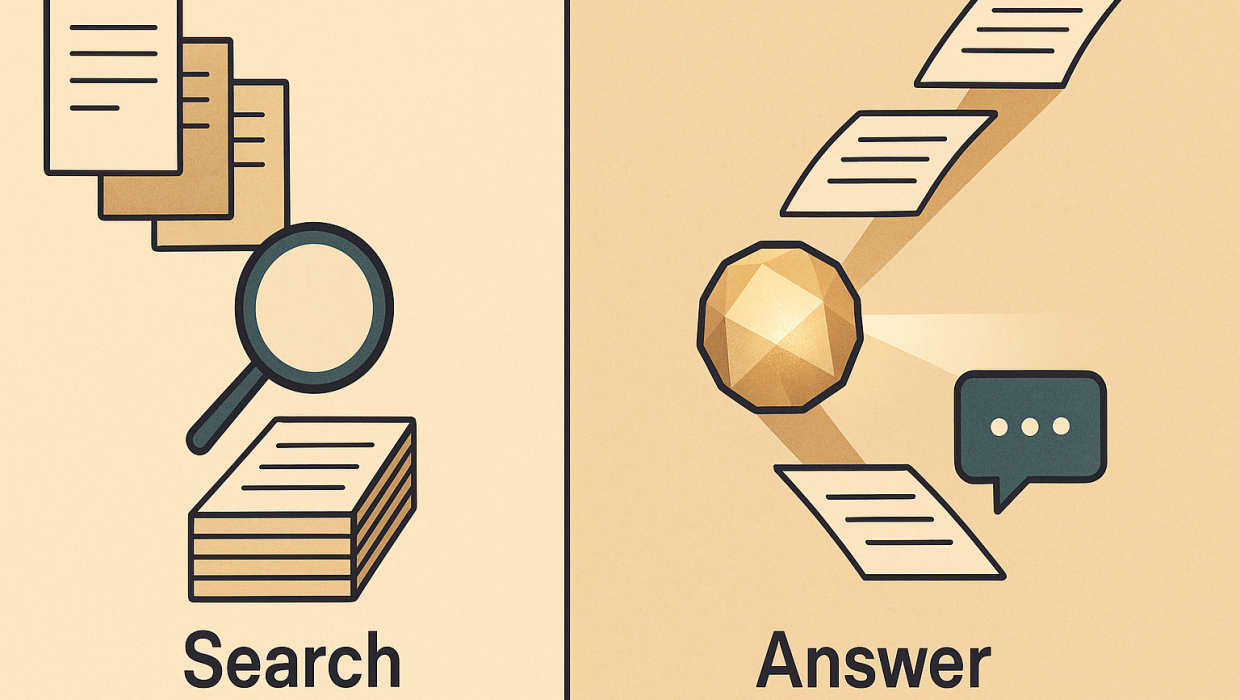
The way people find information has split in two. There’s still the familiar search results page, with its blue links and paid ads — but increasingly, there’s also the answer, generated instantly by an AI system that has already read, synthesized, and ranked the web on your behalf. For B2B leaders investing in visibility, the question is no longer just how to rank, but how to optimize for generative engines that summarize, cite, and sometimes replace the click entirely. This shift rewards precision over volume, and it punishes companies that treat AI answer engines as a novelty rather than a new distribution channel. Understanding the mechanics behind tools like ChatGPT, Perplexity, and Google’s AI Overviews is quickly becoming as fundamental as understanding search engine optimization itself.
What Changes When Search Becomes an Answer
Traditional search engine optimization was built around a simple contract: rank a page well, and a human clicks through to read it. Generative engines break that contract. Instead of returning ten links, they return a synthesized answer pulled from several sources at once — and most users never click through to verify it. That means your content isn’t just competing to rank; it’s competing to be selected as source material for someone else’s answer.
This changes what “winning” looks like. A page can rank on page one and still be invisible to an AI overview if its structure doesn’t lend itself to extraction. Conversely, a lesser-known page with a tightly written, well-supported answer can get cited even without top organic rankings. The engines are optimizing for confidence and clarity, not just authority in the old sense.
The engines are optimizing for confidence and clarity, not just authority in the old sense.
How to Optimize for Generative Engines
The companies pulling ahead treat generative visibility as a discipline with its own rules, not a side effect of good SEO. A few principles matter most.
Give the Machine Something to Cite
Generative engines favor content that states a claim plainly, supports it briefly, and moves on. Dense paragraphs that bury the answer three sentences deep get skipped in favor of competitors who lead with it. If you want to be quoted, write the way you’d want to be quoted — a clear statement, a supporting fact, a natural stopping point.
Build Topical Authority, Not Just Page Authority
Generative engines cross-reference multiple pages and, often, multiple domains to build an answer. A single excellent article rarely earns citation on its own; a cluster of interlinked, consistent content around a topic does. This is where structured internal linking and a coherent information architecture start to matter as much as backlinks once did — a discipline our SEO, AEO, and GEO services are specifically built to address, since they treat search and answer engine visibility as one connected system rather than separate projects.
Use Structured Data as a Translation Layer
Schema markup, clear headings, and consistent entity naming aren’t relics of technical SEO — they’re how you tell a language model what your content actually is. A product page marked up clearly as a product, with pricing, specifications, and reviews properly tagged, is far easier for an engine to parse and cite accurately than a beautifully designed page with none of that structure underneath.
Where Traditional Search Engine Optimization Still Matters
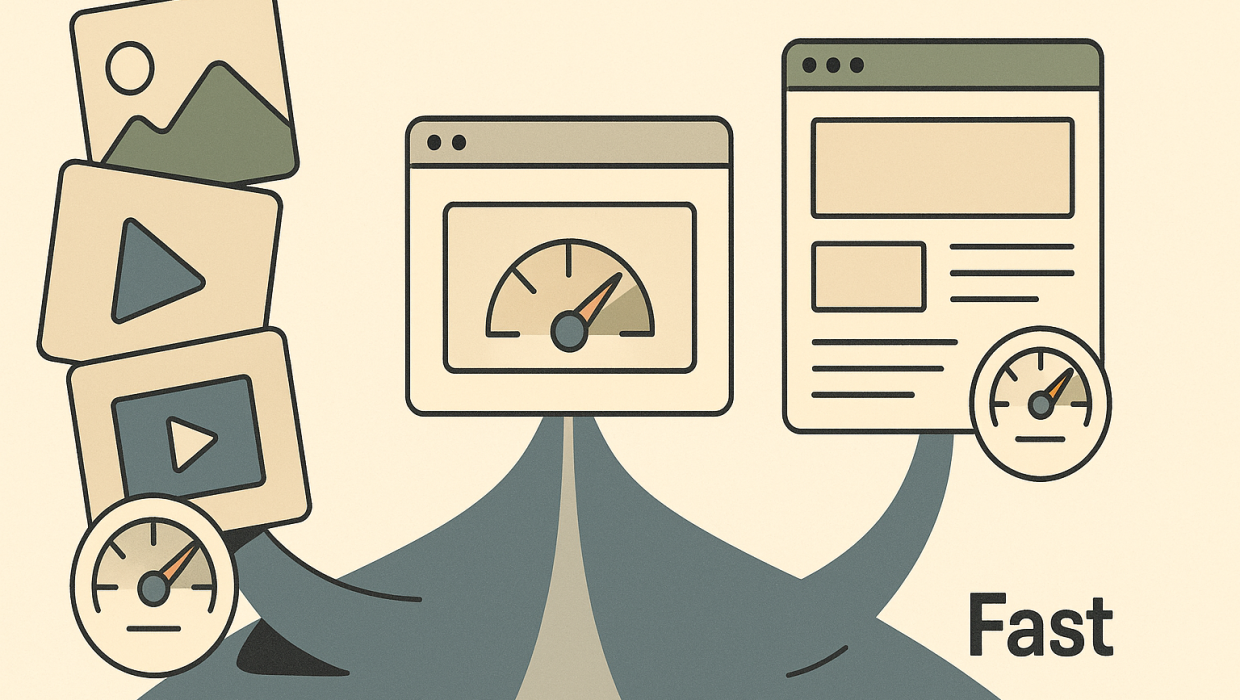
None of this replaces the fundamentals. Generative engines still draw heavily from indexed, crawled, well-ranked pages — they’re not inventing knowledge from nothing. Site speed, mobile usability, crawlability, and a healthy backlink profile remain the foundation everything else is built on. If your technical SEO is weak, your generative engine visibility will be weak too, because the engines are pulling from the same underlying index that traditional search relies on.
This is also where a lot of companies get the sequencing wrong. They chase generative engine tactics — FAQ schema, “AI-friendly” content — before fixing basic technical debt: slow load times, thin content, broken internal linking, inconsistent messaging across pages. Layering new tactics on a shaky foundation rarely works. It’s part of why our approach starts with diagnosis rather than a prewritten playbook — you can’t fix what you haven’t actually measured.
Competitor Analysis in the Age of AI Answers
Competitor analysis used to mean checking who ranked above you for a handful of keywords. Now it means asking a broader question: when someone poses your industry’s most important questions to an AI engine, whose answer gets surfaced — and why?
This requires a different kind of research. Run your core buyer questions through multiple generative engines and track which domains get cited, how those pages are structured, and what claims they lead with. Patterns emerge quickly. Often it’s not the biggest brand that wins the citation — it’s the one with the clearest, most confidently stated answer, backed by credible structure and supporting data.
This is also where a real competitive edge shows up. Most companies still don’t monitor their AI answer engine presence at all, which means the few that do gain a meaningful, compounding advantage before the space gets crowded. Auditing this properly means combining traditional competitive research with new tools built for tracking AI citations — a gap analysis our team runs as a first step for clients evaluating answer engine strategies for the first time, because you can’t build a plan to close a gap you haven’t mapped.
Building an Answer Engine Strategy That Outpaces Rivals
A durable strategy blends three things: technical readiness, content clarity, and ongoing measurement. Technical readiness means your site architecture, schema, and page speed are sound. Content clarity means your key pages answer real questions plainly, in language a model can extract and trust. Measurement means you’re regularly checking how you show up across generative engines, not just traditional rankings, and adjusting as the models change — because they change often, and quietly.
None of this happens in isolation from the rest of your technology stack. Companies investing in AI automation internally often have an advantage here, because they already understand how these models parse and prioritize information — that same instinct applies directly to how you present your public-facing content. It’s a useful reminder that generative engine strategy isn’t a marketing-only problem; it sits at the intersection of content, technical infrastructure, and how your organization understands the technology reshaping search itself, a theme we explore further on our technology page.
We’ve seen this play out concretely with clients who came to us convinced they had an SEO problem, only to discover the real gap was structural — content that was accurate but unextractable, or technically sound but invisible to the questions buyers were actually asking. The fixes were rarely dramatic; they were precise. You can see how that diagnosis-first process plays out in practice across our case studies, where the pattern repeats: measure first, then build.
If there’s one thing worth remembering from all of this, it’s that the engines that answer questions instead of listing links are optimizing for confidence and clarity, not just authority in the old sense. That single shift explains nearly every tactical decision that follows — from how you write a paragraph to how you structure a site to how you think about competitors at all.
Getting Started Without Guesswork
For most B2B teams, the barrier isn’t understanding that this shift matters — it’s knowing where to start without wasting budget on tactics built for last year’s search landscape. That’s the point at which a proper audit pays for itself: identifying which pages already have citation potential, which technical gaps are holding you back, and which competitors are quietly winning the answer box you should own.
If you’re evaluating how your organization shows up across search and AI answer engines today, it’s worth having that conversation before committing to a fix. You can start a conversation with our team to walk through where your current visibility stands and what closing the gap would actually require.
Generative engines aren’t replacing search — they’re changing who gets to answer first. Companies that treat this as a strategic priority now, rather than a future concern, are the ones who’ll still be cited when the rest of the field catches up.
RELATED QUESTIONS
What does it mean to optimize for generative engines?
Optimizing for generative engines means structuring your content so AI tools like ChatGPT, Perplexity, or Google’s AI Overviews can easily extract, trust, and cite your answers when responding to a user’s question. This involves writing clear, standalone statements, using proper schema markup, and building topical authority across related content rather than relying on a single high-ranking page.
Is generative engine optimization different from traditional SEO?
Yes, though the two are closely related. Traditional SEO focuses on ranking a page so a human clicks through to read it, while generative engine optimization focuses on getting your content selected as source material for an AI-generated answer, often without a click at all. Strong technical SEO remains the foundation both rely on, since generative engines still pull from the same indexed, crawled web.
How do I know if competitors are outranking me in AI answers?
The most reliable method is to run your industry’s key buyer questions through multiple generative engines and track which domains and pages get cited in the responses. Patterns usually reveal themselves quickly, showing which competitors have structured their content in a way that AI models trust and extract from most easily.
Does schema markup actually help with AI-generated answers?
Yes. Schema markup acts as a translation layer that clarifies what your content actually represents, such as a product, an FAQ, or a review, making it far easier for AI models to parse and cite accurately. Pages without clear structured data are harder for generative engines to interpret, even if the content itself is high quality.
Where should a company start if it wants to improve its AI answer engine visibility?
The best starting point is a diagnostic audit that identifies technical gaps, unextractable content, and competitor citation patterns before any new tactics are applied. Starting with generative engine tactics on top of a weak technical foundation rarely works, since both traditional search and AI answer engines rely on the same underlying crawlable, indexed content.
Ready to Show Up in AI-Generated Answers, Not Just Search Results?
Start a conversation with Sapiens + Machines to discuss your goals, challenges, and next steps.