Most B2B marketing teams don’t have a lead problem. They have a scaling problem — and it usually shows up right after a campaign starts working. The pilot on Google performs. Leadership approves more budget. The team adds Meta, maybe Reddit, expecting the same curve upward. Instead, cost per lead climbs, lead quality drops, and nobody can say exactly why. If this sounds familiar, you’re not failing at paid media. You’re running into the specific, predictable ways that scaling paid campaigns breaks down when platforms multiply faster than your systems can support them.
This is one of the most common gaps we diagnose in media buying engagements, and it’s rarely a single failure. It’s usually three or four small structural issues compounding at once — issues that don’t matter at low spend and become expensive the moment you try to grow.
The Real Reason Scaling Paid Campaigns Breaks Down
Campaigns that work at $5,000 a month often fall apart at $30,000 a month, and the reason isn’t budget — it’s that small-scale campaigns can survive on manual attention. Someone checks in daily, tweaks a bid, swaps a headline. That kind of hands-on management doesn’t transfer across three platforms and a growing matrix of audiences, creative variants, and funnel stages. What looks like a performance problem is often an operational one: the systems tracking, reporting, and adjusting the campaign weren’t built to handle the volume being asked of them.
What looks like a performance problem is often an operational one: the systems tracking, reporting, and adjusting the campaign weren’t built to handle the volume being asked of them.
The second layer is audience fatigue that goes undetected. A single-platform campaign burns through its best-fit audience faster than most teams expect, and without a clear signal for when frequency has crossed from “reinforcing” to “annoying,” budget gets pushed into diminishing returns before anyone notices the curve bending.
Fragmented Platforms, Fragmented Signals
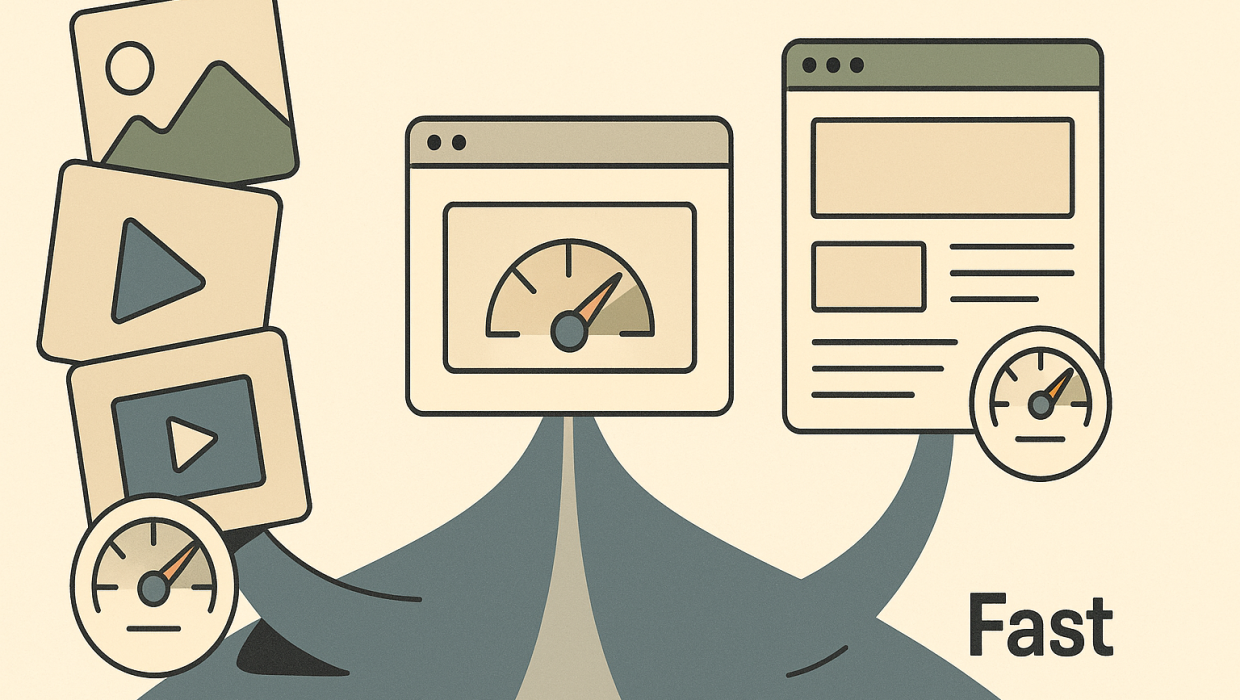
Google Ads, Meta, and Reddit don’t just have different interfaces — they have fundamentally different logic for how they learn. Google’s algorithm optimizes around intent signals and search behavior. Meta optimizes around interest and behavioral proximity. Reddit, still maturing as an ad platform, rewards authentic, community-fluent creative over polished sales messaging. Teams that build one campaign concept and adapt it slightly for each platform are, in effect, asking three different learning systems to succeed with the same blunt instrument. Scaling amplifies that mismatch instead of smoothing it out.
Media Buying Optimization Isn’t Just Bigger Budgets
There’s a persistent assumption in B2B marketing that scaling is a budget decision. Increase spend, get proportionally more leads. In practice, media buying optimization at scale is a data and creative decision far more than a financial one.
Every platform has a learning phase, and every time you significantly increase budget, change targeting, or introduce new creative, you risk resetting that phase. A campaign that was finally stabilizing gets knocked back into exploration mode, and CPMs spike while the algorithm relearns who to show ads to. Teams that scale successfully treat budget increases incrementally — often in 15-20% steps rather than doubling spend overnight — precisely to avoid retriggering that instability.
Creative fatigue compounds this. B2B advertisers frequently under-invest in creative variety because they assume the audience is small and sophisticated enough not to need it. But audience fatigue happens just as fast in a niche technical audience as it does in a consumer one — sometimes faster, because the pool of qualified decision-makers is smaller to begin with. Scaling without a creative refresh cadence means your best-performing ad is quietly decaying in effectiveness while the dashboard still shows it as your top performer, because attribution windows lag real-time fatigue.
Cross-Platform Advertising Requires Cross-Platform Discipline
Cross-platform advertising sounds like a strategy. Functionally, it’s closer to running three separate businesses that happen to share a budget line and a brand. Each platform needs its own bidding logic, its own creative testing cadence, and its own definition of a qualified conversion event — because “success” doesn’t mean the same thing on Google Search as it does on Reddit.
Different Platforms, Different Jobs
A practical way to think about it: Google tends to do the heavy lifting for capturing existing demand — people already searching for a solution like yours. Meta is better suited to building awareness and retargeting warm audiences who haven’t converted yet. Reddit, when used well, works earlier in the funnel, building credibility in spaces where technical buyers are already having unguarded conversations about the exact problems you solve. Trying to force all three to hit the same cost-per-lead target, using the same messaging, ignores what each platform is actually good at.
This is where a lot of otherwise capable internal teams get stuck, and it’s the specific problem our paid campaign management work is built to solve — not by running more ads, but by assigning the right job to the right platform and building the measurement structure to prove it’s working.
The B2B Campaign Scaling Trap: Attribution Gaps
B2B campaign scaling introduces a specific failure mode that consumer advertisers rarely deal with: long, multi-touch sales cycles that make last-click attribution actively misleading. A prospect might see a Reddit ad, later click a Google search ad, and eventually convert from a Meta retargeting ad three weeks later. Platform-native reporting will credit that Meta ad for the entire conversion, and a team optimizing off that data will over-invest in the platform that closed the deal while starving the one that actually opened it.
This gap becomes existential at scale because the dollars involved get large enough that a misread signal doesn’t just waste a few hundred dollars — it redirects tens of thousands toward the wrong channel. Solving this requires unified tracking across platforms and, often, integration with CRM data to connect ad exposure to actual pipeline outcomes rather than platform-reported conversions. Teams we’ve worked with who paired paid media with stronger lead generation infrastructure consistently found that their real cost-per-qualified-lead was different — sometimes dramatically — from what any single platform’s dashboard suggested.
Diagnosis Before Build: How We Approach Scaling
We don’t start scaling conversations by recommending more budget or new platforms. We start by mapping what’s actually happening across the existing campaigns — where the funnel leaks, which platform is doing genuine work versus riding attribution credit from another, and whether the creative, targeting, and bidding structures were built for the volume being asked of them now versus the volume they were designed for originally.
This diagnosis-first approach exists because the fix for a fatigue problem, an attribution problem, and an operational-capacity problem look nothing alike, and building the wrong fix is expensive twice — once in the cost of the fix itself, and again in the budget spent scaling on a broken foundation. In several cases documented in our case studies, the highest-leverage change wasn’t a new campaign at all — it was fixing measurement infrastructure so existing spend could be evaluated honestly.
If you’re evaluating whether your current setup can support real growth, that’s a conversation worth having before the next budget increase gets approved — you can start that conversation here.
What Actually Changes When You Scale Correctly
When the underlying structure is right, scaling paid campaigns stops feeling like adding more of the same thing and starts feeling like compounding. Creative testing on one platform informs messaging on another. Attribution data feeds back into targeting refinements instead of getting siloed by platform. Budget increases extend a working system instead of resetting it into a new learning phase.
The technical backbone matters here too. Reliable cross-platform scaling depends on clean data flowing between ad platforms, your CRM, and your reporting layer — which is often a technology and systems integration question as much as a marketing one. Teams that treat their martech stack as an afterthought tend to hit a data ceiling well before they hit a budget ceiling.
None of this requires abandoning any platform or picking a single “winner” channel. It requires treating each platform as what it is — a distinct system with its own rules — while building the measurement and operational discipline underneath them that lets three separate engines pull in the same direction. That’s the difference between spending more and actually growing.
RELATED QUESTIONS
Why does my paid campaign perform worse when I increase the budget?
Significant budget increases often reset a platform’s ad-delivery algorithm back into a learning phase, causing costs to spike temporarily as it relearns who to target. This is usually solved by scaling budget incrementally, in steps of roughly 15-20%, rather than doubling spend all at once, which lets the algorithm adjust without losing its existing optimization.
Should I use the same ad creative across Google, Meta, and Reddit?
No — each platform rewards different creative approaches because each optimizes for different user behavior. Google favors intent-driven messaging tied to search queries, Meta responds well to interest-based and retargeting creative, and Reddit performs best with authentic, community-fluent content rather than polished sales messaging.
Why do my platform dashboards show different results than my actual sales pipeline?
Each ad platform tends to take last-click credit for conversions in a multi-touch B2B buying journey, even when other platforms contributed earlier in the funnel. This creates attribution gaps that lead teams to over-invest in the platform that closes deals while under-funding the one that actually generates initial interest, which is why cross-platform tracking tied to CRM data is essential at scale.
How do I know if my campaign creative is fatigued?
Creative fatigue typically shows up as rising costs and declining click-through rates even when a campaign’s reported performance metrics look stable, because attribution windows often lag real-time audience fatigue. B2B advertisers are especially vulnerable to this because their qualified audience pool is smaller, so a consistent creative refresh cadence matters even more than in consumer advertising.
What’s the first step to scaling paid campaigns across multiple platforms successfully?
The first step is diagnosing what’s actually happening in your current campaigns before adding budget or new platforms — identifying where the funnel leaks, which platform is doing genuine work versus riding attribution credit, and whether your measurement infrastructure can handle increased volume. Scaling on top of a broken measurement or operational foundation wastes budget twice: once on the flawed fix, and again on the spend that follows it.
Ready to Diagnose What's Blocking Your Campaign Scale?
Start a conversation with Sapiens + Machines to discuss your goals, challenges, and next steps.